
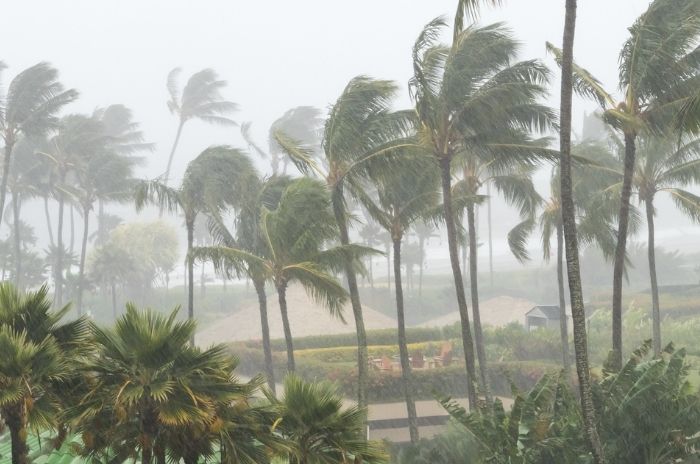
According to predictions from reputable sources such as Team Rubicon, Fox Weather, and NOAA, the combination of warmer ocean temperatures and other climatic factors is likely to result in a higher frequency of strong hurricanes. In this guide, we will discuss the anticipated severity of the 2025 hurricane season and offer practical advice on how to prepare — securing your home, trimming vulnerable trees, and creating emergency plans — so you can significantly reduce the risks associated with this year's intense hurricane season.
What You Need to Know
2025 Hurricane Season Severity
The 2025 hurricane season is predicted to be one of the most intense in recent history, with experts from various organizations warning of increased storm activity and severity. Several factors contribute to this heightened risk, including above-average sea surface temperatures in the Atlantic and Caribbean, which provide more energy for storm formation and intensification. Additionally, the end of El Niño and the start of La Niña is expected to influence weather patterns, potentially leading to more frequent and powerful hurricanes in the Atlantic Basin.
The National Oceanic and Atmospheric Administration (NOAA) has issued a warning for an above-average number of storms this season. They predict 17 named storms, with 9 becoming hurricanes and 4 reaching major hurricane status (Category 3 or higher). These predictions are based on sophisticated climate models and historical data analysis, highlighting the need for heightened preparedness among coastal communities.
The potential impacts of these storms are significant, with the possibility of severe wind damage, heavy rainfall, and extensive flooding. The economic repercussions could be substantial, affecting homeowners, businesses, and infrastructure. In addition, the increased development along Florida's coastlines has raised concerns about the potential for widespread damage — as urban areas expand, the risk to life and property increases, necessitating more robust preparation and response strategies.
Securing Your Home
Securing your home against the potential impacts of hurricanes is a crucial step in preparing for the 2025 hurricane season. Here are some practical measures homeowners can take to protect their property and ensure their safety.
Trim Trees and Shrubs: Regularly trim trees and shrubs to remove dead or weak branches that could become projectiles during high winds. Focus on limbs that are close to your home or power lines.
Clear Debris: Remove any loose debris, such as fallen branches, leaves, or outdoor furniture, that could be picked up by strong winds and cause damage.
Install Storm Shutters: Consider installing storm shutters on all windows and glass doors to provide a strong barrier against flying debris and high winds.
Reinforce Garage Doors: Ensure your garage door is reinforced to withstand high winds. If necessary, install a bracing kit to prevent it from buckling under pressure.
Use Impact-Resistant Glass: If possible, upgrade to impact-resistant windows and doors, which are designed to withstand the force of flying debris.
Inspect and Repair Your Roof: Regularly inspect your roof for any loose or damaged shingles, tiles, or flashing, and make necessary repairs to ensure it's in good condition.
Install Hurricane Straps: Consider installing hurricane straps or clips to help secure your roof to the walls of your home, reducing the risk of it being lifted off during a storm.
Anchor Outdoor Furniture: Secure outdoor furniture, grills, and other large items to prevent them from becoming dangerous projectiles. Use ground anchors or store them indoors when a storm is approaching.
Protect Pools and Hot Tubs: Drain a portion of the water from pools and hot tubs to prevent overflow, and secure covers tightly to avoid debris contamination.
Clear Gutters and Drains: Ensure that gutters, downspouts, and drainage systems are clear of debris to facilitate proper water flow and reduce the risk of flooding.
Install Flood Barriers: Use sandbags, flood barriers, or other temporary flood protection devices around doors and low-lying areas to prevent water from entering your home.
Invest in a Generator: Consider purchasing a backup generator to maintain power during outages, properly installed and maintained with an adequate fuel supply.
Review Your Insurance: Update your homeowners insurance policy to ensure it provides adequate coverage for hurricane-related damages, and consider additional flood insurance if you live in a high-risk area.
Creating Emergency Plans
Having a well-thought-out emergency plan is essential for ensuring the safety of you and your loved ones during the 2025 hurricane season. Here are key steps to creating an effective emergency plan.
Develop a Family Communication Plan: Establish how family members will communicate during a storm, designate an out-of-town contact, and make sure everyone — including children — understands the plan.
Prepare an Emergency Kit: Assemble a disaster supply kit with enough food, water, and essentials for at least 72 hours — non-perishable food, medications, flashlights, first aid, important documents, and cash — plus any special items for infants, elderly family members, or pets.
Plan for Evacuation: Know local evacuation routes, identify safe locations, prearrange accommodations if possible, and pack a go-bag with essential documents, clothing, cash, and a portable phone charger.
Stay Informed: Monitor weather updates from reliable sources like the National Hurricane Center, sign up for local emergency alerts, and keep a battery-powered or hand-crank radio on hand.
Practice Your Plan: Conduct drills with your family, and periodically review and update your plan as circumstances or new information about hurricane risks change.
Consider Special Situations: Make arrangements for pet safety, including pet-friendly shelters, and ensure a plan for continuing care and backup power for any medical devices or needs.
Historical Hurricanes That Have Impacted Daytona
Daytona Beach, Florida, has experienced several significant hurricanes over the years, each leaving a lasting impact on the community. Here are a few notable hurricanes that have affected the area.
Hurricane Donna (1960) — Category 4, an estimated $6 billion in damage (2020 USD). One of the most destructive hurricanes to hit Florida in the 20th century, with sustained winds up to 120 mph, heavy rainfall, and significant storm surges across the state.
Hurricane Floyd (1999) — Category 2 at closest approach, an estimated $6.9 billion total U.S. impact. Though it didn't make direct landfall, its proximity brought strong winds, heavy rains, coastal flooding, and prompted massive evacuations along the Florida coast.
Hurricane Charley (2004) — Category 4 at landfall, an estimated $16.3 billion total U.S. impact. Made landfall on Florida's southwest coast but moved northeast, affecting Daytona Beach with strong winds, heavy rains, and widespread power outages.
Hurricane Matthew (2016) — Category 3 at closest approach, an estimated $10 billion total U.S. impact. Skirted the Florida coast, causing severe beach erosion, flooding, and damage to homes and businesses in Daytona Beach.
Hurricane Irma (2017) — Category 3 at closest approach, an estimated $50 billion total U.S. impact. A powerful, devastating storm that brought strong winds, heavy rain, flooded homes, downed trees, and widespread power outages to the area.
These hurricanes highlight the vulnerability of Daytona Beach to powerful storms and the importance of preparedness. By learning from past hurricanes, residents can better prepare for future storms and mitigate potential damage.
Don't Delay This Hurricane Season!
Let Aardvark Help You Prepare!
At Aardvark Tree Service, we are committed to helping you prepare for the upcoming hurricane season. Our expert team offers comprehensive tree trimming and yard clearing services to minimize potential storm damage. To assist our community further, we are offering a special storm prep discount — see our Hurricane Prep page for more details!
Stay informed, stay prepared, and stay safe this hurricane season. For more information or to schedule a consultation, contact Aardvark Tree Service today.